
If you run a business in Albany, Saratoga, Schenectady, or Rensselaer County, you already know the landscape. The Capital Region Chamber alone represents 2,400 businesses and organizations that employ more than 150,000 area residents. That is a lot of voices competing for the same local customers. When someone searches for a service you provide and lands on your website, you have seconds to answer the question they are really asking: “Can I trust these people?” A well-crafted Capital Region Business Video on your About page answers that question faster and more convincingly than any paragraph of text ever could. This article will show you why that matters, what makes a local About video effective, and how to create one that turns curious visitors into paying customers.
Table of Contents
- The Trust Gap: Why Local Customers Need to See You Before They Buy
- What Makes a Capital Region Business Video Different From Generic Corporate Video
- The Core Elements of a High-Converting About Video
- Where to Deploy Your About Video for Maximum Local Impact
- Measuring Success: How to Know Your About Video Is Working
- Common Mistakes to Avoid When Creating Your About Video
- Your Action Plan: Creating Your Capital Region Business Video This Quarter
- Frequently Asked Questions About About Videos
- Conclusion: Your Story Deserves to Be Seen
The Trust Gap: Why Local Customers Need to See You Before They Buy
Local consumers do their homework. Before they call, book, or walk through your door, they read reviews, scan your website, and check your social media. What they are really doing is trying to get a feel for who you are. Text and photos help, but they leave a gap. Video closes it.
Research consistently shows that viewers retain 95% of a message when they watch it on video, compared to just 10% when they read it as text. That statistic alone explains why an About video is not a nice-to-have. It is the fastest way to build familiarity in a single viewing session. When a potential customer watches you speak, sees your team in action, and gets a glimpse of your space, their brain processes that information as a kind of proxy for meeting you in person.

The Capital Region’s business community is fundamentally relationship-driven. With thousands of Chamber members operating across four counties, customers have options. They choose businesses they feel connected to. An About video humanizes your brand in ways that even the best-written bio cannot. It answers the unspoken question every local customer brings to their search: who am I actually doing business with?
Beyond trust, video signals something else. It tells visitors that your business is current, professional, and invested in clear communication. Those are qualities customers instinctively extend to your products or services. If you care enough to present your story well, the thinking goes, you probably care about the work you do for them too.
What Makes a Capital Region Business Video Different From Generic Corporate Video
There is a specific kind of video that works for local businesses, and it looks nothing like what national brands produce. The Capital Region customer responds to authenticity, not polish. They want to see real faces, hear genuine stories, and recognize the places they pass every day.
Your video should feel unmistakably local. Mention your Albany, Saratoga, Schenectady, or Rensselaer County roots. Talk about how long your team has lived and worked here. Reference your connection to the region’s economic growth and the community that supports it. The Capital Region’s business ecosystem, from the Chamber’s 2,400 members to the free advising resources offered by the SBDC, runs on personal connections. Your video should reflect that same relational energy.
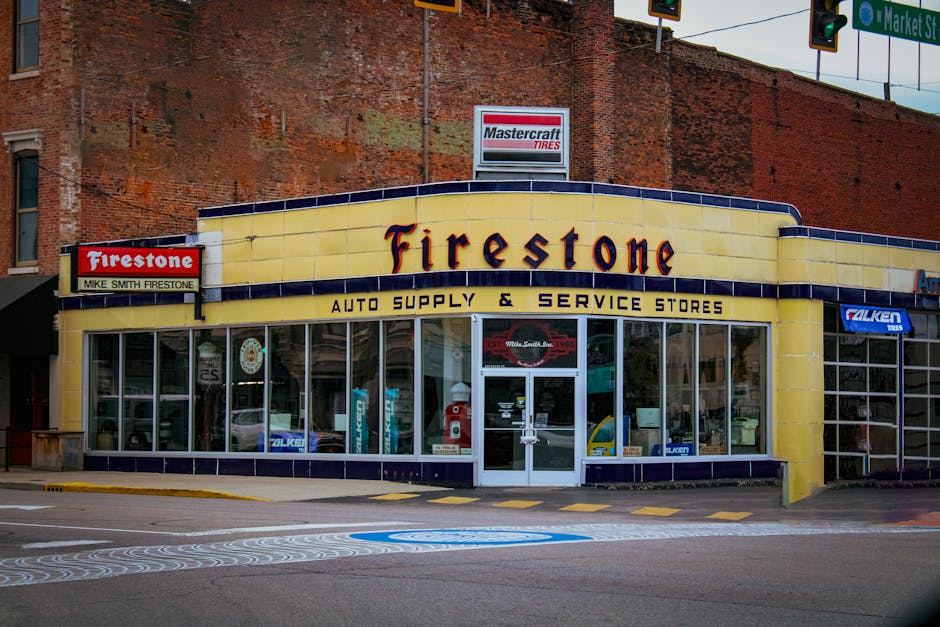
Avoid the talking-head trap. A single person speaking directly to camera for two minutes can work, but it rarely holds attention. Instead, weave in shots of your storefront, your team interacting with customers, and the little moments that could only happen at your business. If your bakery is a block from Saratoga’s Broadway, show that. If your shop is in a converted warehouse in Schenectady, let viewers see the character of the space.
Regional relevance is what separates a Capital Region Business Video from something a national brand would produce. A generic corporate video feels sterile here. Customers want to see themselves in your story, and that means showing them the community you share.
The Core Elements of a High-Converting About Video
Your Story Arc (90 Seconds or Less)
Every effective About video follows a simple structure, and it does not start with your logo. Open with a hook that names your customer’s problem or shares the moment your business was born. Something like: “When we moved to Albany, we could not find a single hardware store that carried what we needed for our old Victorian.” That is more compelling than “Welcome to Smith Hardware, founded in 2018.”
From there, follow a clear arc. State the problem. Explain your solution. Share why you care about solving it. End with what the customer should do next. The “why” is especially important. Customers want to know the reason your business exists beyond making money. Maybe it is a family legacy, a commitment to filling a gap you saw in the community, or a mission to keep downtown vibrant. Whatever it is, say it plainly.
Close with a clear, low-pressure call to action. Visit your website. Call for a consultation. Stop by the shop. Make it easy and natural, not pushy.
Authenticity Markers That Build Trust
Scripted perfection reads as inauthentic. Audiences have been trained by years of social media to spot a canned performance. Show real team members doing real work. If someone stumbles over a word, that is fine. It sounds human.
Customer voices are powerful if you can include them. A short testimonial woven into your About video provides third-party validation that your claims about yourself cannot match. Even a few seconds of a satisfied customer saying what they appreciate about you adds credibility.
Film on location. Your Capital Region business is the setting, not a rented studio. The background noise of your kitchen, the light coming through your front windows, the sound of your workshop: these are assets, not distractions. They tell the viewer this is a real place where real things happen.
Be transparent about who you serve and how you work. Clarity builds confidence. If you specialize in a particular type of customer or project, say so. The people who fit that description will feel seen, and the ones who do not will appreciate your honesty.
Technical Quality That Doesn’t Distract
Good lighting and clear audio are non-negotiable. Viewers will forgive a video shot on a smartphone, but they will not forgive muffled sound or a face lost in shadow. Natural light near a window works wonders. A quiet room and a basic lavalier microphone eliminate the echo and background noise that scream amateur.
Keep the video under two minutes. Engagement drops sharply after that, and completion rates matter for both viewer retention and platform algorithms. Aim for 60 to 90 seconds if you can tell your story that concisely.
Add captions. Many local customers watch on mobile with the sound off, whether they are scrolling during a lunch break or sitting in a waiting room. Captions ensure your message lands regardless of how they are watching.
End with your business name, location, and website on screen. This is not just helpful for retention. It is a visual anchor that reinforces who you are as the video closes.
Where to Deploy Your About Video for Maximum Local Impact
Your About video has a natural home: your website’s About page, placed prominently above the fold. That is where visitors who are actively vetting you will look first. Make it impossible to miss.
Your Google Business Profile is the next priority. Uploading your video directly there places it in local search results and maps. When someone searches for a business like yours in the Capital Region, that video thumbnail can be the difference between a click and a scroll-past.
Social media channels reward native uploads. Post the video directly to Facebook, Instagram, and LinkedIn rather than sharing a YouTube link. Tailor the first three seconds for each platform. On Instagram, that might mean a fast-cut preview. On LinkedIn, a more professional opening frame. The core video stays the same, but the entry point shifts.
Smaller placements add up. Embed a video thumbnail with a play button in your email signature. Include it in newsletters. Bring it to networking events. The Capital Region’s business community, including groups like CRBO with its one-member-per-industry model, values members who come prepared to share their story compellingly. A tablet or phone with your video queued up is a conversation starter at any Chamber event.
Measuring Success: How to Know Your About Video Is Working
Views are the obvious metric, but they only tell part of the story. In YouTube or Vimeo analytics, pay attention to average watch time and completion rate. A high view count with a 20% completion rate means people are clicking and bouncing. A lower view count with an 80% completion rate means the right people are watching the whole thing.
On your website, monitor behavior on your About page. Has time on page increased since you added the video? Has the bounce rate dropped? Are more visitors navigating from that page to your contact form or services? Those are the signals that matter.
Qualitative feedback counts too. When a customer mentions your video in conversation, references something they saw in it, or tells you they chose you because of it, that is data. It is easy to overlook because it does not appear in a dashboard, but it is often the most meaningful measure of impact.
For local context, consider that the Capital Region’s most-viewed business videos, like the “Back to Business” roundtable that drew 973 views, show a useful benchmark. Even modest, targeted views can drive meaningful engagement when the audience is local and the intent is high. You do not need thousands of views. You need the right ones.
Experiment with small changes. Test different thumbnails. Try a different title. Move the video higher or lower on the page. See what shifts.
Common Mistakes to Avoid When Creating Your About Video
The most frequent mistake is treating an About video like a commercial. It is not. It is a relationship-building tool. If the viewer feels sold to, they will click away. If they feel introduced to, they will stay.
Ignoring mobile viewers is another common error. Most local searches happen on phones. If your video does not display well on a small screen, if the captions are too small to read, or if the audio is unclear without headphones, it does not work. Test everything on mobile before you publish.
A missing call to action leaves viewers hanging. They have watched your story and feel connected. Now what? Tell them. Gently. A simple “stop by this week” or “give us a call” is enough.
Waiting for perfection is a trap. The Capital Region business community values authenticity over polish. A slightly rough but genuine video that exists today outperforms a flawless one that never gets made. Do not let the pursuit of production quality become an excuse for inaction.
Finally, an About video that is five years old signals stagnation. It shows a team that has not changed, a space that looks different, or a story that has moved on without the video keeping pace. Plan to refresh yours every 12 to 18 months.
Your Action Plan: Creating Your Capital Region Business Video This Quarter
Week one is for planning. Define your story arc. Identify who you are speaking to. Write a simple script that sounds conversational, not corporate. Read it out loud. If it sounds like something you would actually say to a customer, you are on the right track.
Week two is for shooting. Schedule a half-day. Use natural light, a quiet space, and your smartphone or a basic camera. Shoot more than you need. Capture your team, your space, your process. You will appreciate the options when you edit.
Week three is for editing. Cut for clarity and pacing. Keep it under two minutes. Add captions. Overlay your business name, location, and website at the end. If editing is not your skill set, this is the one step worth hiring out. A professional editor can take raw footage and shape it into something polished without losing its authenticity. For businesses in the region looking for production support, working with a team that understands local video marketing can streamline the entire process.
Week four is for publishing. Post the video across your website, Google Business Profile, and social channels. Share it with your Chamber or networking group and ask for honest feedback. Their perspective as fellow business owners is valuable.
After that, review your analytics monthly. Plan to refresh the video within 12 to 18 months, or sooner if your business undergoes significant changes like a new location, a rebrand, or a major team expansion.
Frequently Asked Questions About About Videos
How long should an About video be?
Aim for 60 to 180 seconds. That is enough time to tell a meaningful story and short enough to hold attention through the final frame.
Do I need professional equipment?
No. A modern smartphone, decent natural lighting, and clear audio are sufficient to start. A basic lavalier microphone is a small investment that makes a big difference.
How often should I update my About video?
Every 12 to 18 months, or whenever your team, location, or offerings change significantly. An outdated video can do more harm than no video at all.
Can I use the same video everywhere?
Yes, but tailor the first few seconds and the call to action for each platform. The core story stays the same. The entry point and next step shift depending on where someone is watching.
What if I am camera-shy?
Focus on your team, your space, or your customers. You do not have to be the star of your own video. Let your people and your place tell the story. Your voice can guide it from behind the camera or in brief voiceover.
Conclusion: Your Story Deserves to Be Seen
An About video is the single most effective tool for building trust with Capital Region customers who are deciding where to spend their money. It bridges the gap between a stranger landing on your website and a customer walking through your door. Your story is unique because it is rooted in this community. No one else can tell it the way you can.
Start small. Start now. Let your authenticity do the heavy lifting. The Capital Region’s business community is built on relationships, and your About video is the handshake that happens before the first conversation. Give your future customers the chance to meet you before they ever walk in.